The Evolution of Indonesian Rock in 2026: Festival Dynamics, Guitar Communities, and Digital Catalog Resurgence
The enduring debate regarding whether rock music retains its cultural resonance amidst the sweeping dominance of electronic pop and modern hip-hop has been answered decisively across Indonesia's musical landscape throughout 2026. Across premier festival amphitheaters, independent venue circuits, artisanal instrument workshops, and global streaming networks, Indonesian rock continues to demonstrate remarkable cultural longevity. Technological transitions have not diminished the genre's vitality; rather, they have revolutionized how new generations discover, dissect, and master its foundational catalog.
Contemporary listeners no longer depend exclusively on terrestrial radio programming or legacy music print publications to encounter formative acts. Instead, high-energy live performance clips across social media, user-curated algorithmic playlists, and immediate access to online guitar tabs and chord guides provide an expansive entry point connecting teenagers directly with seminal rock recordings from the 1970s through the 2000s.
Festival Grounds as Cross-Generational Meeting Places
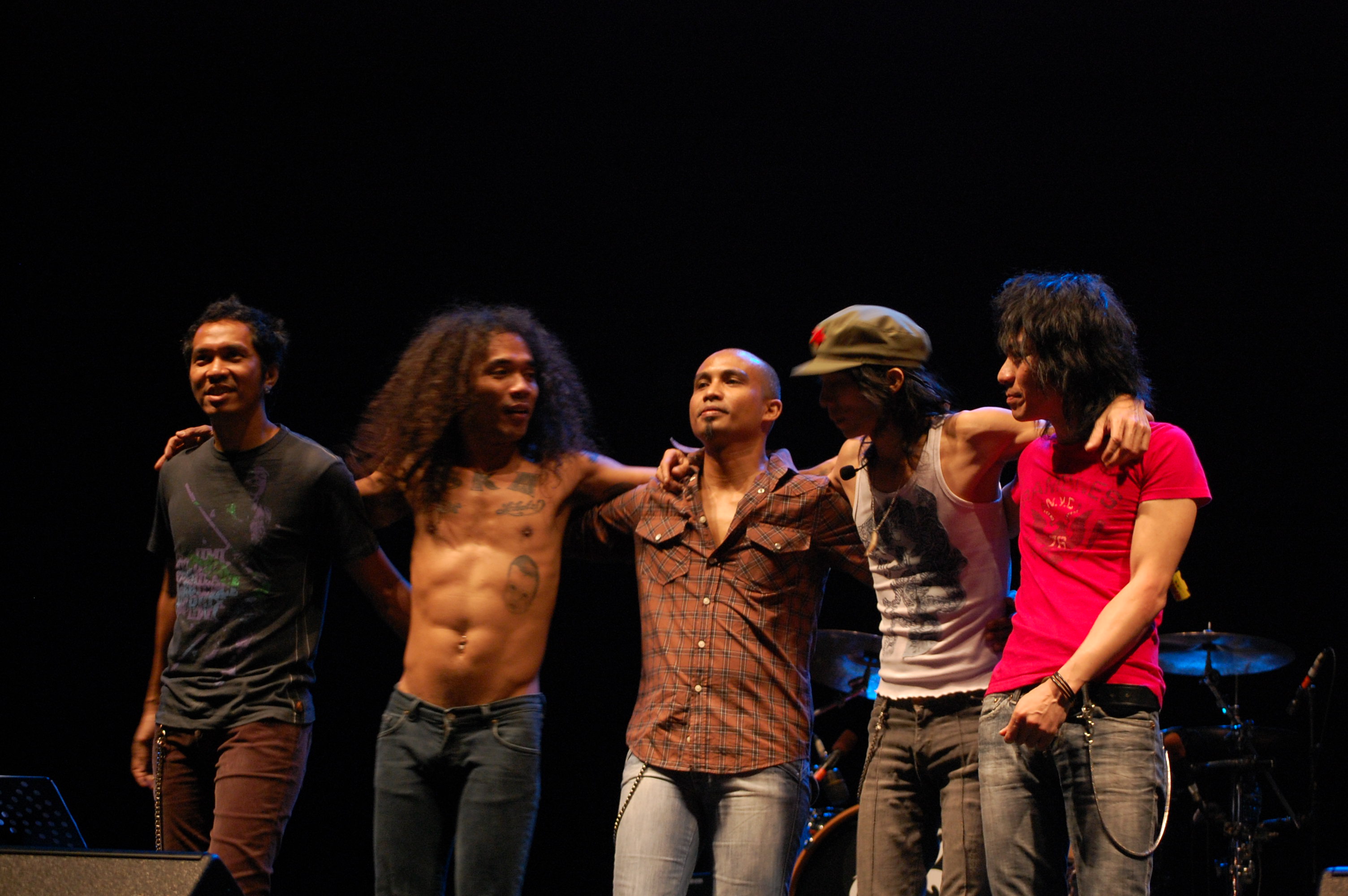
Flagship multi-genre music gatherings such as Synchronize Fest, Soundrenaline, and Hammersonic consistently illustrate how Indonesia's heavy music scene bridges generational divides across shared performance platforms. Pioneer institutions including God Bless, Slank, and Dewa 19 perform alongside forward-thinking modern outfits such as The Sigit, Burgerkill, Reality Club, and Barasuara, captivating vast and demographically diverse audiences.
For festival attendees, this programming model fosters two-way discovery. Young listeners attending to experience contemporary indie acts witness the stage command, vocal authority, and fretboard virtuosity of veteran rockers. Concurrently, seasoned concertgoers encounter modern distortion profiles and dynamic visual aesthetics engineered by today's burgeoning guitar bands.
These collective concert rituals confirm that enduring compositions retain their emotional potency regardless of era. When vacuum tube amplifiers roar across festival grounds, vocal hooks penned over thirty years ago command unified arena-wide choruses, illustrating the deep cultural roots of domestic rock compositions.
The Guitar Riff as Musical Identity
Despite transformative advancements in digital audio workstations and synthetic sound design, the electric guitar remains the indisputable emotional and rhythmic anchor of rock music. The direct physical interaction between musician and instrument yields indelible riffs that define a song within its opening measures.
Indonesian rock guitar playing is characterized by distinct expressive techniques:
- Expressive pentatonic phrasing informed by Southeast Asian vocal melody traditions.
- Saturated high-gain distortion anchored by precise palm-muted rhythm patterns designed to lock tightly with bass and percussion.
- Highly melodic lead guitar passages prioritizing emotional vibrato and deliberate note articulation over mechanical velocity.
This riff-centric tradition perpetuates an active culture of instrumental literacy. When an aspiring musician hears an evocative rock progression, they do not remain passive spectators; they pick up a guitar, locate accurate chord charts and tablatures, calibrate their pedals, and dedicate hours to mastering the physical art of guitar playing.
Digital Distribution and the Permanence of Archival Catalogs
The emergence of comprehensive digital platforms has radically restructured the economics and lifecycle of recorded music. During the historical era of physical cassettes and compact discs, out-of-print albums frequently disappeared from public reach, preserved only within niche collector archives.
Today, Indonesia's rich rock discography exists permanently within global digital networks. National boundaries that once constrained regional music are obsolete. A rock enthusiast in Europe or Latin America can seamlessly access 1970s Indonesian psychedelic and progressive rock recordings, analyze their harmonic architecture, and participate in an international community of musical discovery.
The vitality of Indonesian rock in 2026 demonstrates that raw human expression, vibrant analog instrumentation, and resonant lyrical honesty remain the foundational pillars of musical culture, standing resilient against fleeting industry trends.